
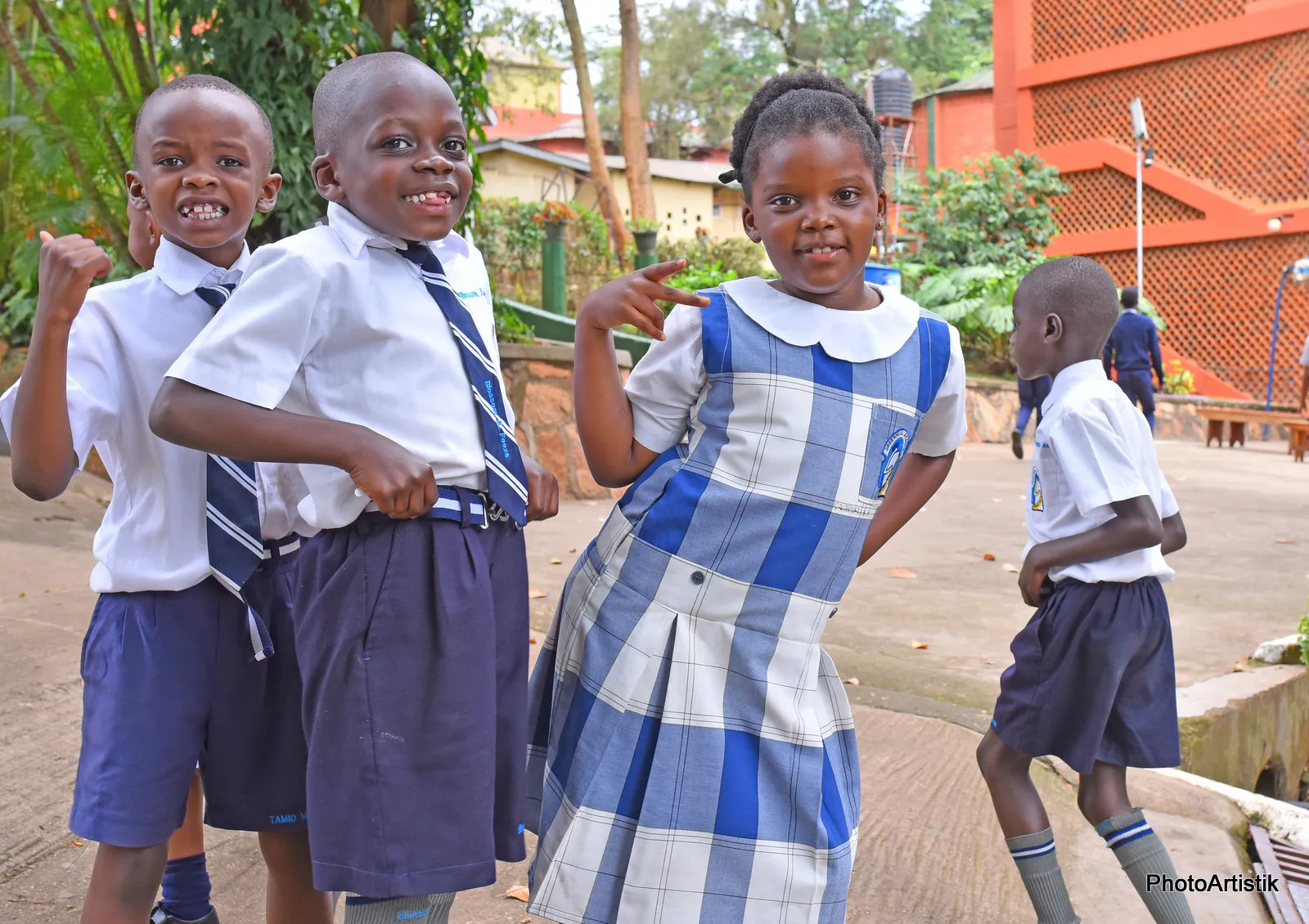


Your child has completed Primary Seven, and the excitement of the Primary Leaving Examinations (PLE) is behind you. Congratulations to your family on reaching this major milestone! Now comes one of the most critical decisions you will make: selecting the right secondary school. In Uganda, this choice significantly shapes your child’s academic foundation, their character development, and their future career opportunities.
This moment can feel overwhelming. Every school billboard claims to have the best PLE results, and everyone has an opinion on where you "must" send your child. Rest assured, there is no single "best" school; there is only the best fit for your unique child. This guide is designed to help you, the Ugandan parent, navigate this journey systematically.
Step 1: Start with Your Child
Before you look at a single school brochure, look at your child. The key to a successful secondary experience is matching the school's environment to the student's needs and personality.
- Academic Performance: Consider their PLE aggregate. While it’s natural to aim for top-tier traditional "A-list" schools (like St. Mary’s Kisubi, Mount St. Mary’s Namagunga, or King’s College Budo), be realistic about whether your child will thrive or struggle in an extremely high-pressure competitive environment. Some students flourish in smaller schools that offer more individualized attention.
- Personality and Social Skills: Is your child shy or outgoing? Do they make friends easily, or do they struggle with change? A very large, traditional school may cause a timid child to get lost, while a smaller, newer private school might offer the supportive network they need to gain confidence.
- Interests and Talents: Is your child passionate about sports, the arts, music, or science? Look for schools that are known to nurture these talents. Does the school have functional computer labs, science labs, or a reputable football or basketball team? The new lower secondary curriculum specifically prioritizes talent development alongside academics.

Step 2: Decoding Academic Performance in Uganda
UNEB results are the primary metric used in Uganda to judge a school, but they do not tell the whole story. As a parent, you need to look beyond the "A" grades.
- Interpret "Top Results" Carefully: Ask for a full breakdown of Senior Four (UCE) results. How many students actually sat for the exams? What was the general grade distribution? A school that gets a few Division Ones but has most students in Division Three might not be providing quality education to all its learners.
- A Note on the New Competence-Based Curriculum: Uganda is currently transitioning its lower secondary assessment. The old system was purely content-based, while the new curriculum focuses on continuous assessment, projects, and practical skills, grading from A to E. While UNEB results are still crucial, ask prospective schools how they are adapting their teaching methodologies to foster creativity, critical thinking, and real-world problem-solving under this new framework. A modern-thinking school is invaluable in today’s world.
Step 3: The Financial Conversation: Budgeting and Planning
Secondary education is a significant investment. In Uganda, costs vary dramatically between government-aided and private schools, and between day and boarding options.
Government-Aided vs. Private Schools:
- Government Schools (USE): Under Universal Secondary Education (USE), these schools are meant to be tuition-free, though parents are still required to pay for uniforms, development fees, and functional fees, which can sometimes be burdensome.
- Private Schools: These range from highly affordable community-based schools to very expensive elite private institutions. You are paying for smaller class sizes, better facilities, and often, stricter security.
- Break Down All the Costs: Look past the initial tuition quote. Ask for a complete "school fees structure" that includes:
- Tuition (per term)
- Development or Functional fees
- Building fees
- Uniform cost (initial and replacements)
- Medical fees
- Co-curricular activity fees (sports, clubs)
- Exam fees (Senior 4/Senior 6)
- Plan Ahead for Six Years: Remember, your financial commitment is not just for Senior One. Fees tend to rise annually. Choose a school that is sustainably within your long-term budget to avoid the disruption of transferring your child mid-way.
Step 4: The Great Debate: Boarding School vs. Day School
For many Ugandan families, sending a child to boarding school is a standard goal, often associated with prestige and better study habits. However, it is not always the best option. Neither choice is universally better; it depends on your family situation and the child’s maturity level.

Comparing Boarding vs. Day Secondary Schools
- Your home is noisy, unstable, or lacks a quiet study space.
- The only good day schools require a long, dangerous, or early commute (over 1 hour).
- Your child is social, confident, and welcomes structure.
- You travel frequently for work.
Consider Day School If:
- Budget is a major constraint. Day school fees can be 40-60% less than boarding.
- Your child has health concerns that require close parental monitoring.
- You are a highly involved parent who values daily contact and conversation.
- Your home is supportive, stable, and a quiet learning environment.
Step 5: Making the Most of Your Visitation Day
Once you have a shortlist of potential schools, visit them. A visitation day is your opportunity to look beyond the brochure and observe the school’s daily culture.
A Parental Visitation Checklist
- Facilities: Don’t just look at the gates and the administration block. Look inside.
- Are the classrooms clean and well-lit? What is the average class size (student-to-teacher ratio)?
- Are the science labs and computer labs functional? Ask when they were last used.
- Look at the library: is it well-stocked with modern textbooks, or just outdated novels?
- Check the sanitation: Are the toilets, washrooms, and (if boarding) dormitories clean and hygienic? Proper sanitation directly impacts your child's health and dignity.
- What are the dining facilities like? Is the menu balanced?
- Security: How secure are the premises? Are the perimeter walls tall, and are there security guards on duty 24/7? Ask about the school’s disciplinary policy.
Talk to the Staff and Headteacher:
- Ask about the school's "Vision" and "Values." Does it prioritize character development, religious instruction, or strictly academic achievement?
- Inquire about teacher morale. A happy, well-paid staff usually provides the best education.
- Ask, "What extra-curricular activities do you offer?" and "How is your continuous assessment for the new curriculum managed?"
Your concluding thought: Taking the time to do deep research, visit multiple schools, and have honest conversations with your child about their needs will ensure that the secondary school they join is not just a place they attend, but a place they belong. Trust your judgment as a parent—your love and involvement are the biggest predictors of their ultimate success.